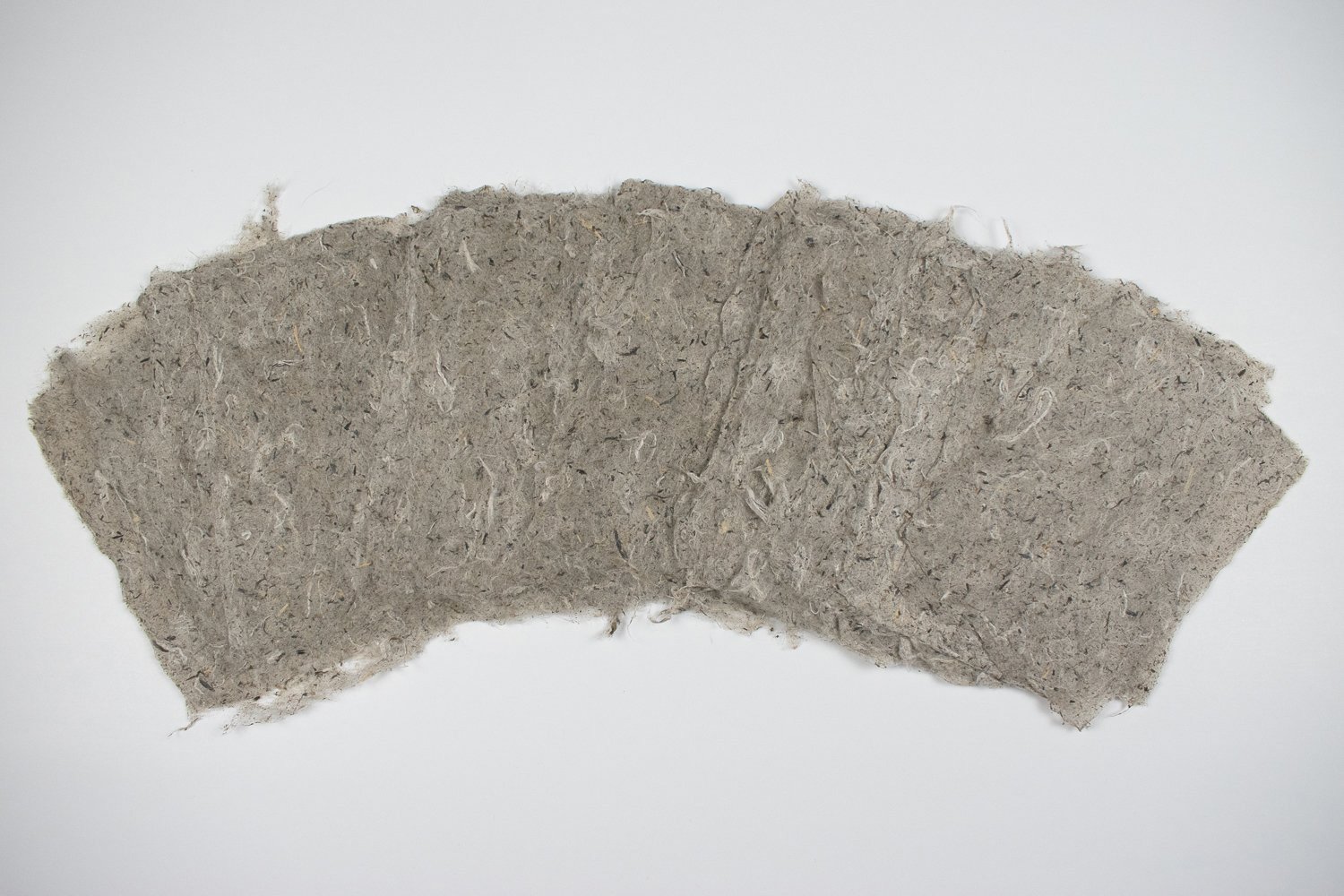
Paper is something we use every day, yet its story spans thousands of years, cultures, and innovations. Understanding papermaking history around the world not only deepens appreciation for this essential material, but also connects artists and makers to a rich global tradition of craftsmanship.
Papermaking History
The Origins Of Paper In Ancient China
The earliest true paper is widely credited to ancient China during the Eastern Han Dynasty (around 105 CE). Court official Cai Lun is often associated with refining the papermaking process using materials like mulberry bark, hemp, rags, and fishing nets.
The process involved soaking fibres, pounding them into pulp, suspending them in water, and lifting them onto a screen to dry into thin sheets. This method created a lightweight, flexible, and relatively affordable surface for writing—far more practical than bamboo or silk.
Paper quickly became essential for communication, record-keeping, and artistic expression in China, including calligraphy and painting.
The Spread Of Paper Through Asia
From China, papermaking knowledge spread across Asia through trade routes and cultural exchange.
In Japan, papermaking evolved into a highly refined art form known as Washi. Japanese artisans used fibres from plants like kozo (mulberry), mitsumata, and gampi to create incredibly strong, delicate papers. Washi became central to Japanese culture, used in calligraphy, origami, printmaking, and even architecture (such as sliding doors).
In Korea, papermaking developed into Hanji, known for its durability and versatility. Hanji was used for books, windows, clothing, and everyday objects, reflecting its importance in daily life.
Papermaking Reaches The Middle East
Papermaking spread westward along the Silk Road and took a significant step forward after the Battle of Talas. Chinese papermakers were captured, and the knowledge of papermaking began to spread into the Islamic world.
In cities like Baghdad, artisans improved techniques by introducing water-powered mills and refining pulp preparation. Paper became widely used for books, scientific texts, and administrative records, supporting a flourishing of knowledge during the Islamic Golden Age.
The Arrival Of Paper In Europe
Papermaking reached Europe by the 12th century, first appearing in Spain and Italy. European papermakers adapted the process using linen and cotton rags as primary fibre sources.
The development of paper in Europe played a crucial role in the spread of knowledge, especially with the invention of the printing press by Johannes Gutenberg in the 15th century. Paper made books more accessible and helped fuel literacy, education, and cultural exchange across the continent.
Industrialisation And Modern Paper Production
By the 18th and 19th centuries, papermaking shifted from a handmade craft to an industrial process. Wood pulp became the primary material, making paper more affordable and widely available than ever before.
Machines could produce continuous rolls of paper, transforming industries such as publishing, packaging, and education. While this increased accessibility, it also moved paper production away from its traditional, handmade roots.
Paper Making As An Art Form Today
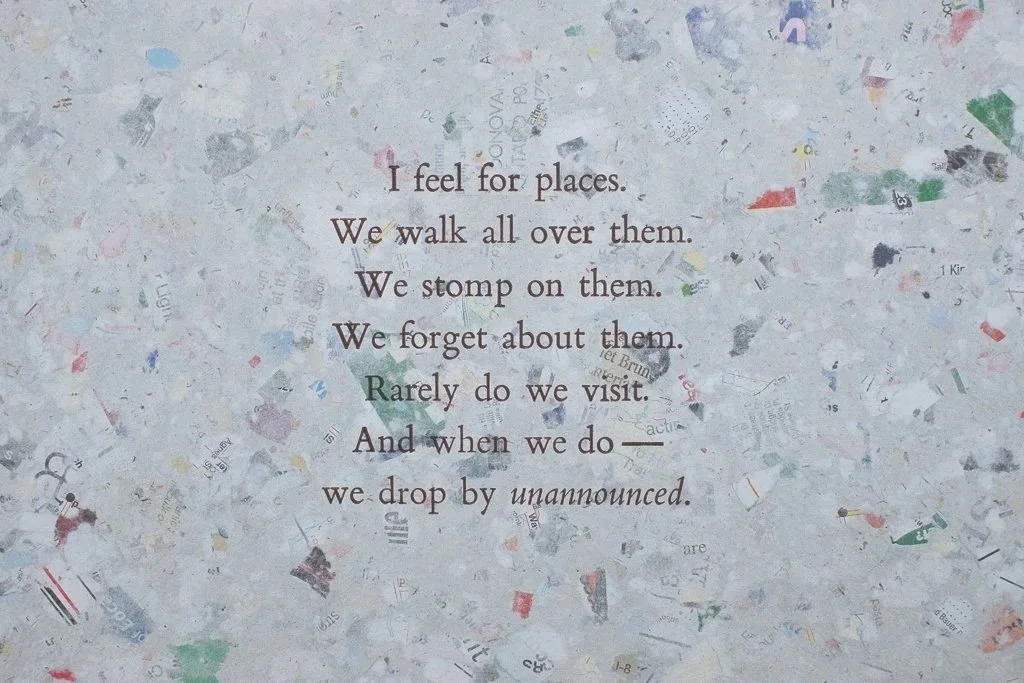
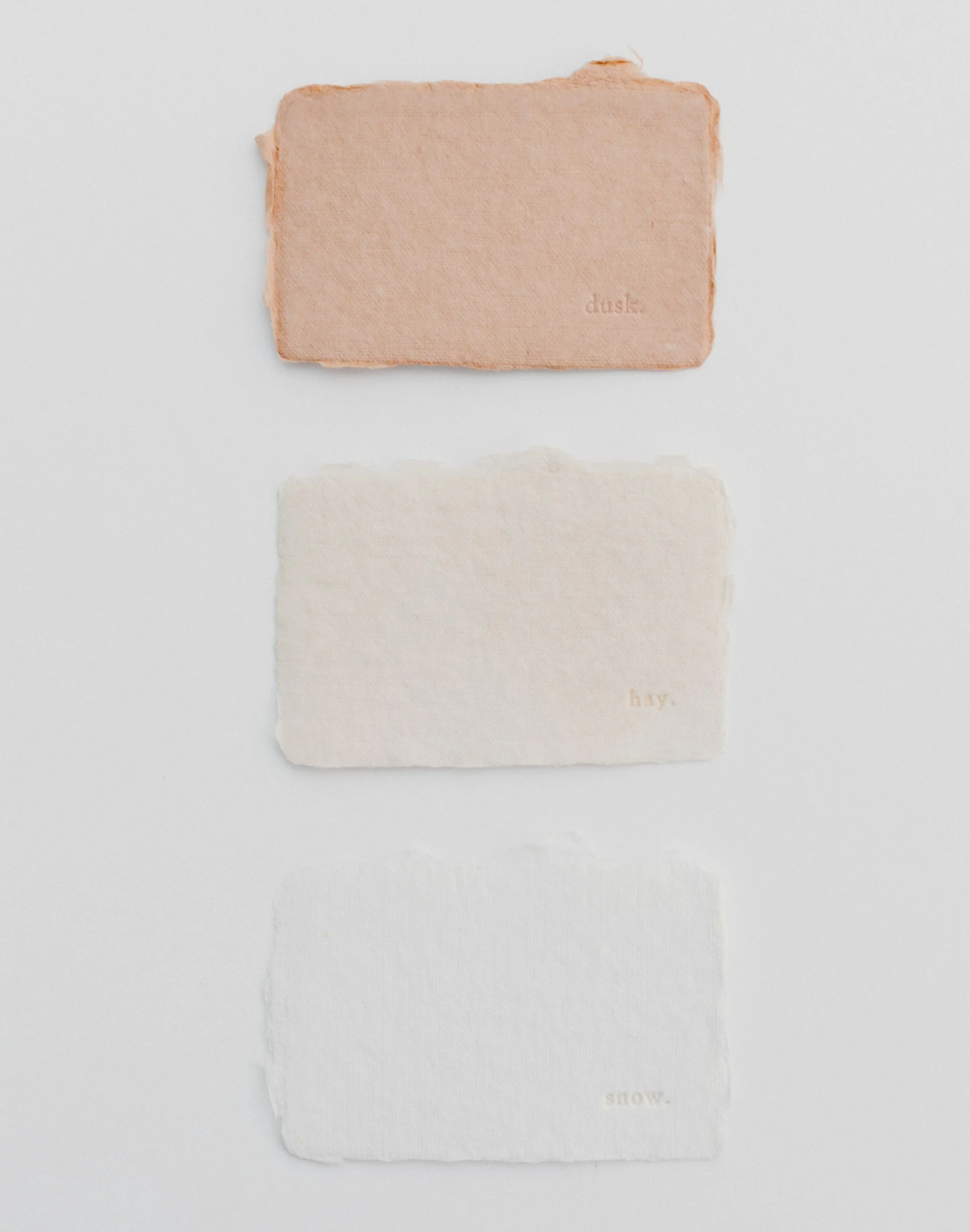
Today, artists and makers around the world are rediscovering and preserving traditional papermaking techniques. Handmade paper is valued for its texture, uniqueness, and connection to natural materials.
Contemporary artists often experiment with:
Plant fibres like cotton, abaca, and recycled materials
Embedding flowers, seeds, and natural elements
Sculptural and mixed-media paper artworks
This return to handmade processes reflects a growing appreciation for sustainability, craftsmanship, and slow art practices.
See my handmade paper art for sale here!
See my contemporary paper art installations
Why Paper Making History Matters For Artists
For artists, understanding paper making history around the world adds depth and meaning to their work. It connects modern creativity to centuries of innovation and cultural exchange.
Whether you are:
Creating handmade paper with natural fibres
Exploring printmaking or collage
Teaching students about art materials
…this history provides valuable context and inspiration.
Conclusion:
The story of paper is one of connection—across continents, cultures, and time. From its beginnings in ancient China to its role in global communication and contemporary art, paper continues to be both a practical material and a powerful artistic medium.
Exploring paper making history around the world reminds us that even the simplest materials carry rich stories—and that those stories can inspire new creativity in the present day.