How to store my art supplies? You have spent all this money on art supplies, it would be a waste to have to throw away those art supplies because they haven’t been stored properly.
Read MoreArt Scams to Watch out for
Here are some common art scams to watch out for. Being an artist there are a lot of art scams to watch out for. Some are really realistic but usually if it seems too good to be true it probably is. Below is a list of common art scams to look out for!

Common Art Scams to Watch Out For:
Make sure you always trust your gut! If something doesn’t feel right, look right (like lots of spelling and grammar mistakes) then be careful. Be careful giving personal information and credit card or banking information always!
Artists should be vigilant when it comes to potential scams in the art world. While there are many legitimate opportunities for artists to sell their work and gain recognition, there are also scams and fraudulent schemes to be aware of. Here are some common art scams that artists should watch out for:
Fake Art Buyers: Be cautious of individuals claiming to be interested in purchasing your artwork but require you to send them money upfront for shipping, insurance, or other fees. Legitimate buyers typically cover these costs themselves. Also if they want to purchase your art outside of your website it is a red flag.
Art Competition Scams: Some art competitions may require an entry fee and if there are prizes or a juried competition it is normal for fees to apply, but be wary of those with high fees and no reputable judges or organizations behind them. Research the competition thoroughly before participating.
Fake Galleries: Scammers may create fake art galleries or online platforms that promise to showcase your work but require upfront fees for representation. Legitimate galleries typically earn a commission from sales, not fees from artists. This can also happen with social media accounts that have high followers which are often fake followers like bots where you need to pay to post to “gain exposure” from a wrong audience.
Unauthorized Print Sales: Ensure that any company or individual selling prints or reproductions of your work has your explicit permission. Unauthorized printing and selling of your art can lead to copyright infringement issues.
Phishing Scams: Be cautious of unsolicited emails or messages requesting personal information or payment for supposed art opportunities. Verify the legitimacy of the sender before responding or sharing any information. This also happens in the private messages of your social media.
Overpayment Scams: Scammers may send a counterfeit check or money order for an artwork, claiming it includes extra funds for shipping or other expenses. They then ask you to refund the excess money before the initial payment clears, leaving you with a worthless check. This is why it is best for people to pay for your art securely like through your website or PayPal versus an e-transfer.
Art Authentication Scams: Beware of individuals or companies offering art authentication services for a fee. Seek out established and respected experts for authentication instead.
Art Investment Schemes: Avoid art investment opportunities that promise guaranteed returns or excessive profits. These may turn out to be Ponzi schemes or scams.
Copyright and Licensing Scams: Watch out for companies that claim to want to license your artwork for various products but require a substantial upfront fee. Legitimate licensing agreements usually involve negotiation and contracts.
Fake Giveaway accounts- if you run a giveaway on social media it is very common for a fake account to be created that impersonates your account and messages your followers telling them they have won and to click a link that could give them a virus or take their credit card information for “shipping.”
An NFT (Non-Fungible Token) scam targeting artists typically involves fraudulent schemes or deceptive practices related to the creation, sale, or representation of NFTs based on an artist's work. Here are some common NFT scams artists should be aware of:
Unauthorized Minting: Scammers may create NFTs of an artist's work without their permission. They essentially steal the digital art and tokenize it, profiting from sales without the artist's knowledge or consent.
Impersonation: Some fraudsters might impersonate artists on NFT marketplaces, claiming to sell NFTs of their work. Unsuspecting buyers may pay for what they believe is authentic art but receive nothing in
Lastly people through social media often will try to convince you as an artist to purchase an NFT to protect your work. You don’t need that there are already copyright laws in place. Digital Art: NFTs are primarily associated with digital art, as they provide a way to prove ownership and authenticity in the digital realm. If you create digital art, NFTs can be a valuable tool for protecting your work and potentially monetizing it.

To protect yourself from art scams, it's essential to conduct thorough research, ask for references, and consult with trusted peers or industry professionals when in doubt. Trust your instincts and be cautious when dealing with unfamiliar parties or offers that seem too good to be true.
Follow me on social media by clicking on one of the icons below!

How Do I Promote my Art?
How do I promote my art? As an artist it is very important to not only make art but to promote it.
Read MoreHow to Be an Artist
Learn how to be an artist and what it takes.
Read MoreMicrogrant
I was awarded a microgrant of $1000 from Pat the Dog Theatre Company in January 2022. The microgrant was awarded to 35 emerging artists in Waterloo Region. For the grant I proposed to make a series of cyanotype prints of different wildflowers in Waterloo Region. I also proposed completing cyanotypes on different surfaces like canvas, fabric and wood.
Information about the Microgrant from Pat the Dog Theatre Company:
Pat the Dog Theatre Creation is delighted to announce the 2022 program of Micro-grants for Waterloo Region artists: 35 micro-grants of $1,000 each ($35,000 total) with each micro-grant representing the equivalent of 1-week paid work. This program is a continuation of the 2021 pilot for Waterloo Region and is made possible through the support of the City of Waterloo and the Kitchener-Waterloo Community Foundation.
The micro-grant will instigate and spark the first idea of a new artwork. This ‘kick-start’ is essential more than ever during the pause this pandemic has created for our local artists who depend on live gatherings to exhibit and perform their work. These grants will aide professional artists in investigation of their practice, with a focus on process, iterative learning, collaboration, and deep thinking. This program is a response to the still ongoing COVID-19 pandemic and the necessity for artists to continue to delve into and develop their practice in imaginative and innovative ways.
To see all the artists who were awarded the grant - . https://patthedog.org/microgrants-waterloo-region-2022-results/
Here are the names of the jury members that decided who would receive the grants:
Tara Butler, Artistic Director, Dust and Soul Dance
Denis Longchamps, Executive Director, Canadian Clay and Glass Gallery
Shirley Madill, Executive Director, Kitchener-Waterloo Art Gallery
Lisa O’Connell, Artistic Director, Pat the Dog Theatre Creation
Vanessa Spence, Artistic Director, Virtu Arts
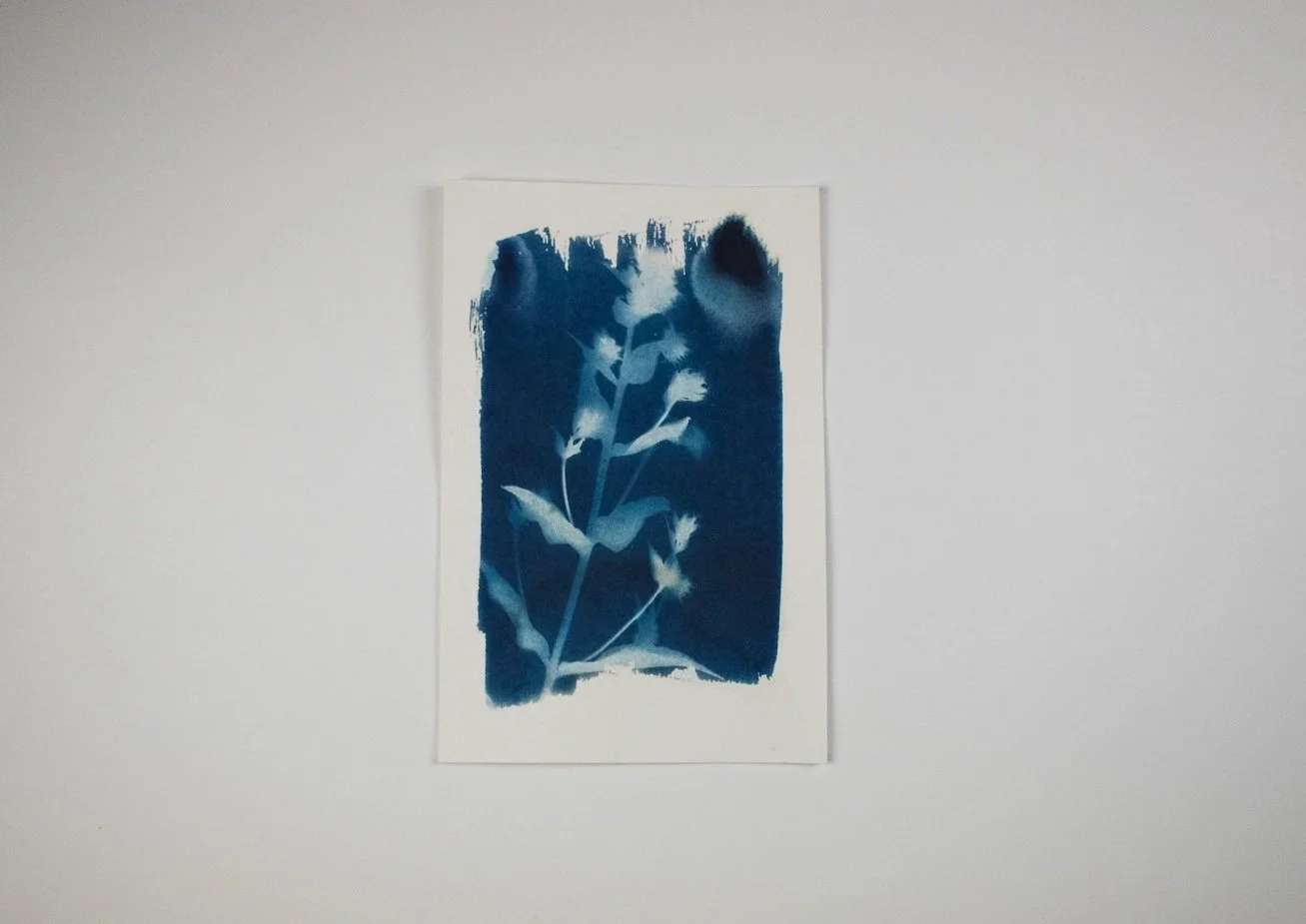
I started the microgrant project by ordering some books on wildflowers in South-Western Ontario so that I could identify the wildflowers that grow in the Waterloo Region.
In June, I began harvesting the various wildflowers and making the cyanotypes of the wildflower designs.
In July, I experimented with the cyanotype process by printing on different surfaces. I completed the wildflower series.
In August, I will photograph the cyanotypes and adding the collection to website where they can be sold.
You can now see the cyanotypes made with wildflowers from this project. Click the button below!
Related Articles:
Follow me on social media to stay connected by clicking on one of the icons below.
How to get art published
Learn how to get art published.
Read MoreWhere to Buy Frames for Art
Learn Where to Buy Frames for Art so you can beautifully framed art in your home.
Read MoreHow does an Artist Residency Work?
Learn how an artist residency works and what it is.
Read MoreHow to use layers in a sketchbook
Learn how to use layers in a sketchbook.
Read MoreMy Art Goals Examples
Here are my art goals examples to inspire you.
Read MoreHow to Make Time for Art
Learn how to make time for art even if you are busy.
Read More21 Books for Artists to Read
Here are 21 books that artists can read to improve their art and business skills.
Read MoreWhat it’s Like to Be Vermont Studio Center Alumni
Learn about What it’s Like to Be Vermont Studio Center Alumni.
Read MoreTrusting Your Gut Feeling
Learn about trusting your gut feeling as an artist.
Read More10 Skills You Need to Become a Better Artist
Here are 10 skills you need to become a better artist.
Read More5 Sleeping Tips for Artists
Here are 5 sleeping tips for artists to help you sleep better and be more relaxed.
Read MoreThe Biggest Secret for a Struggling Artist
Learn the biggest secret for a struggling artist and how to overcome it.
Read MoreWhy I Became an Artist...
Learn about why I became an artist.
Read More6 Tips for Hitting Your Art Goals
Here are 6 tips for hitting your art goals this year!
Read MoreHow to Create an Art Portfolio: 7 Tips!
Learn how to create an art portfolio for college/university with these 7 tips!
Read More